
Like much of Brazil's population, I am the product of many nationalities. My story echoes with voices from the past. Earning a degree in Conservation and Restoration led me to study cultural heritage, a pillar in shaping and maintaining a nation's values. This experience deepened my appreciation for history and culture, which now inspires much of my creative process.
The way I found to express my Brazilianness is by exalting exactly what makes us so unique - our miscegenation. I believe the history of a country is written by real people who fight and occupy streets and public spaces. With this in mind, I wanted to use the figure of Portuguese and Italian immigrants as inspiration for some compositions. For instance, I have grandparents who came from Portugal in the 20th century and ancestors from Southern Italy, both of whom crossed the ocean to work as labourers in Brazil. In the composition “Heroes of the Past,” I used the figures of a woman and a man, both in humble attire and who recently came from Portugal to Brazil, to represent my grandparents. Additionally, our culture is heavily influenced by Amerindians and Afro-descendants, ethnic groups whose cultures have developed through oral tradition. My family also carries influences from these people, especially my grandfather, a close descendant of indigenous peoples from Northeast Brazil. His main activity for much of his life was sea fishing. The activity of Brazilian fishermen is well known for being accompanied by strong popular religiosity (religious syncretism), a result of the mixing of peoples, as well as by storytelling filled with mystery and spirituality. To honour him, I wanted to create a composition called “Life that Flows from the Waters.” This work represents an elderly man and a child fishing in a small boat, something we did together when I was a child, when he would tell me his stories. To this day, fishing remains a common form of subsistence for the population of Brazil's coastal region, largely due to indigenous heritage.
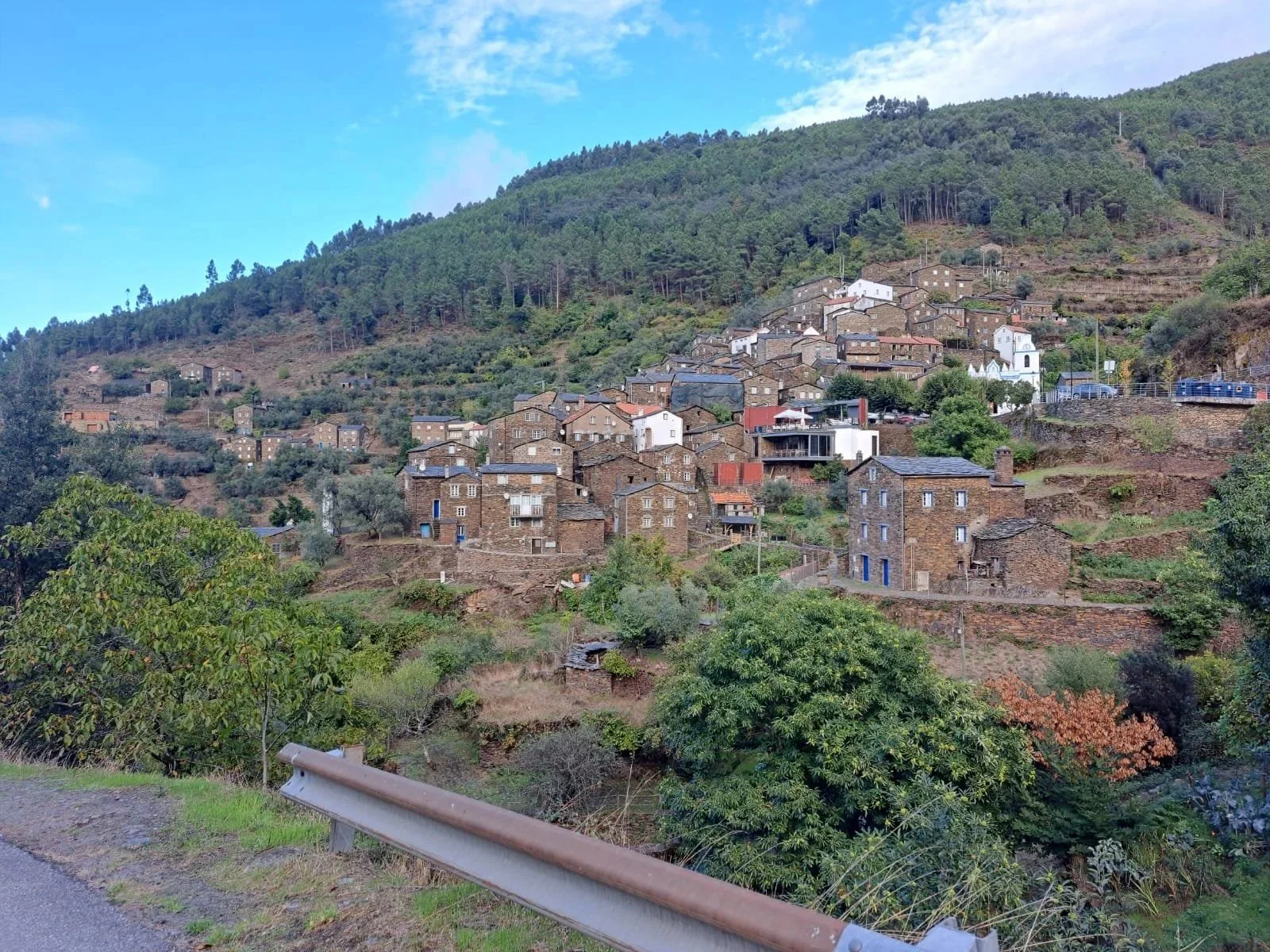
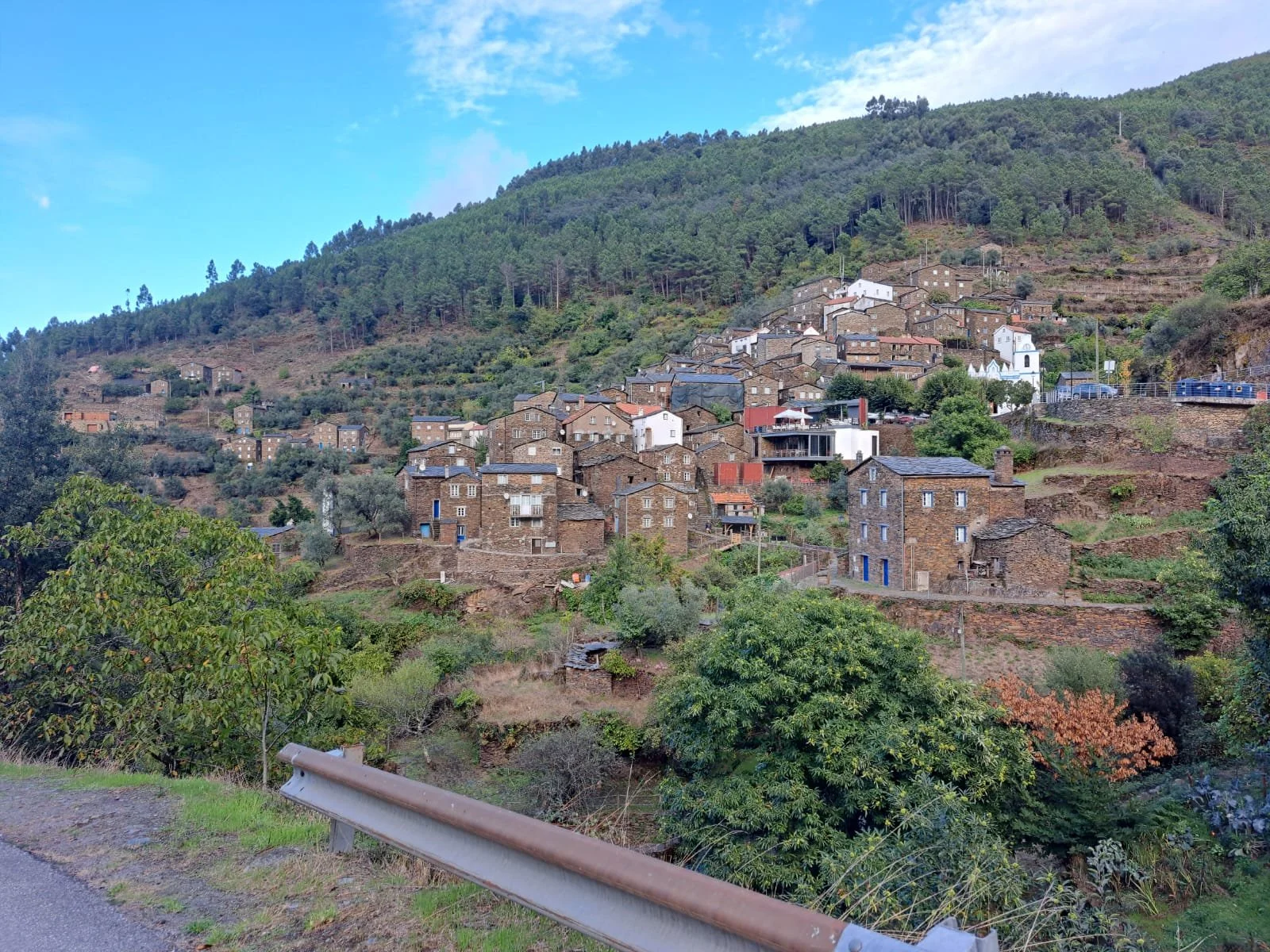
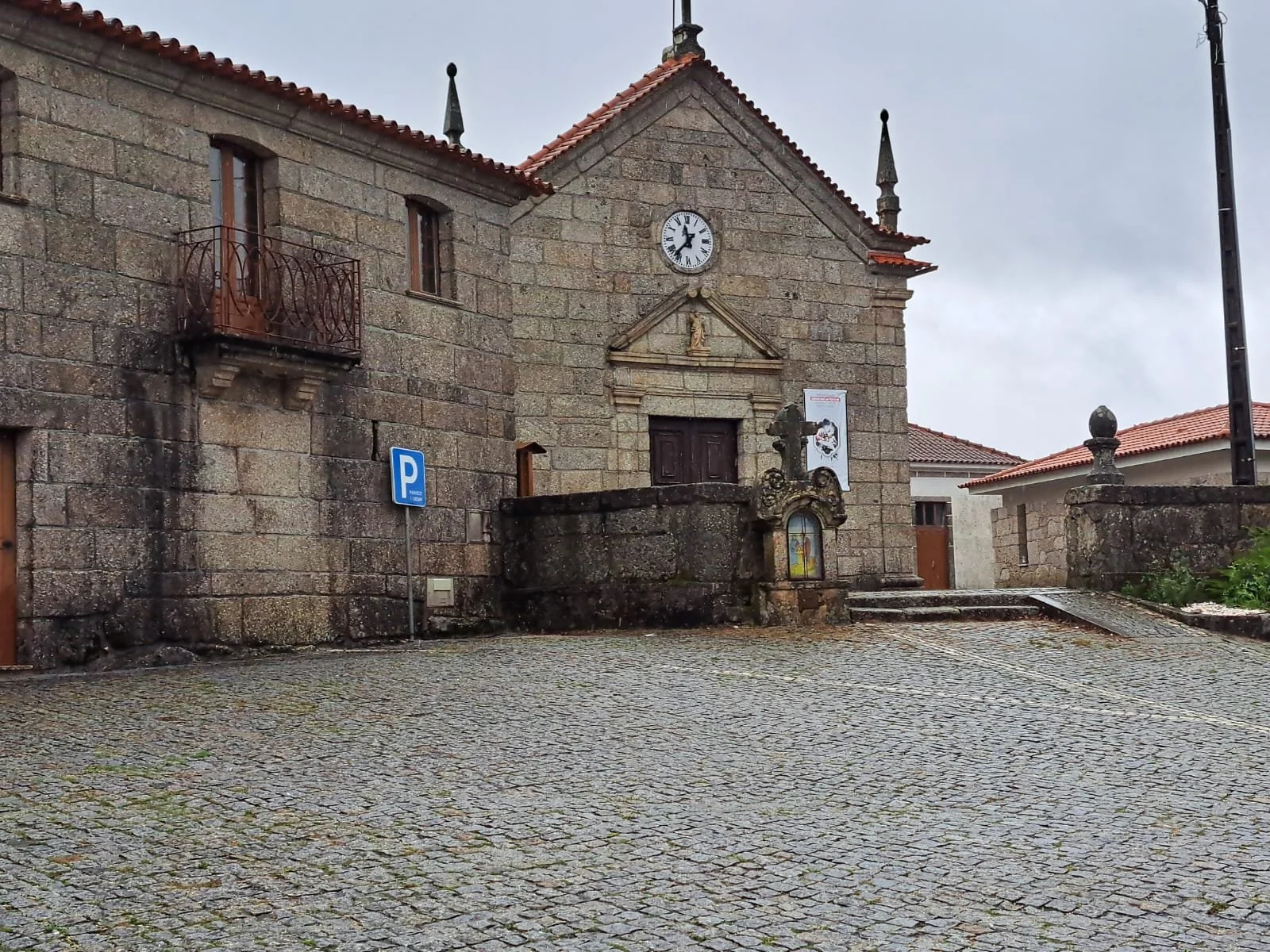
São Pedro do Sul, Portugal, 2024. A rural setting in an inland city in Portugal, where my grandfather, Augusto, was born. Rural activity is still very strong in Portugal, contributing to the livelihood of many families. My grandfather worked in agriculture, and when he came to Brazil, he worked his whole life as a labourer in a port area in Rio de Janeiro. Source: personal collection
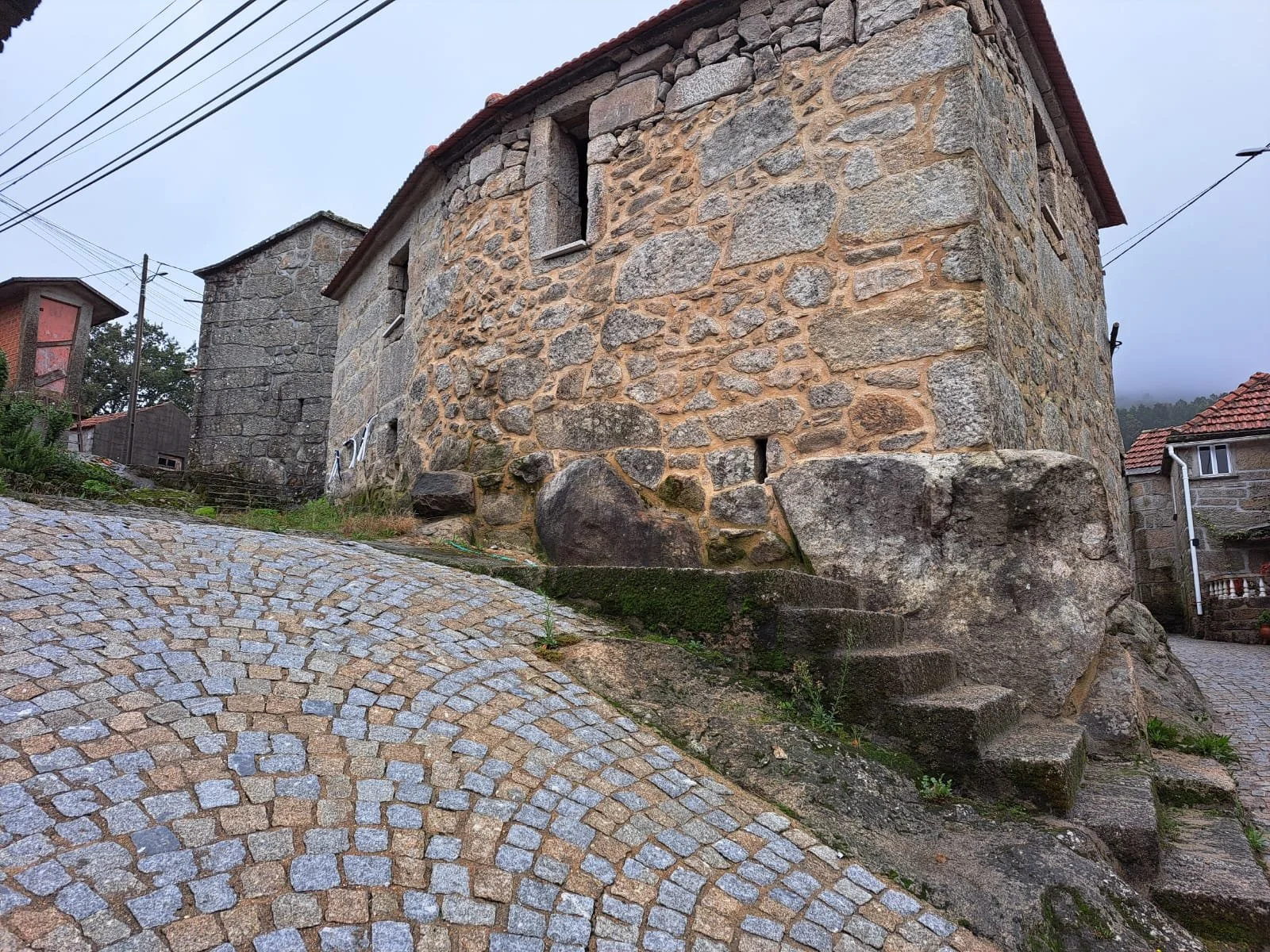
Medieval house in São Pedro do Sul, Viseu, Portugal. According to some relatives, my grandparents lived in houses like this one, made of stone, early in their lives. Source: personal collection
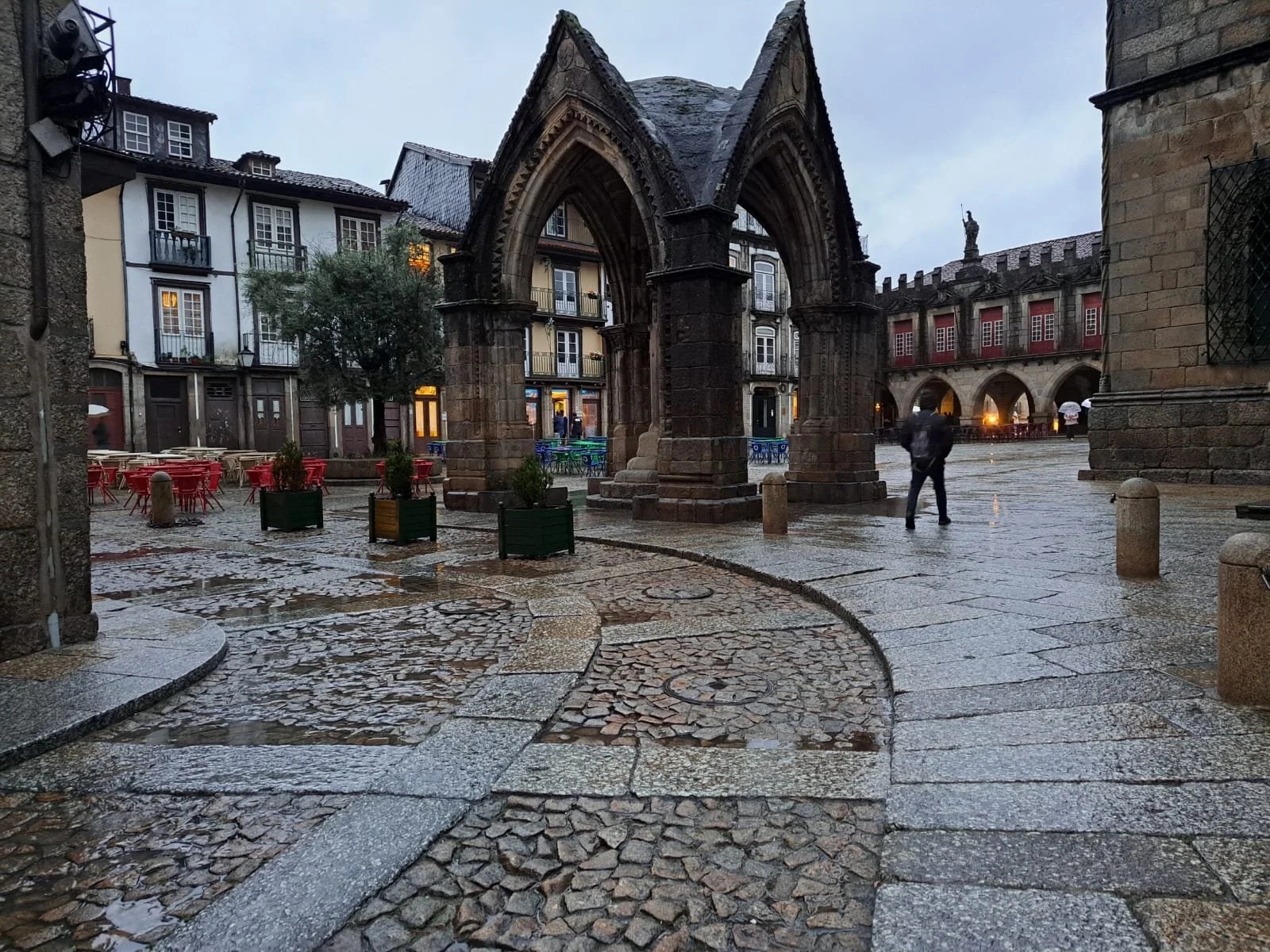
"Padrão do Salado", Braga, Portugal, 2024. Source: personal collection
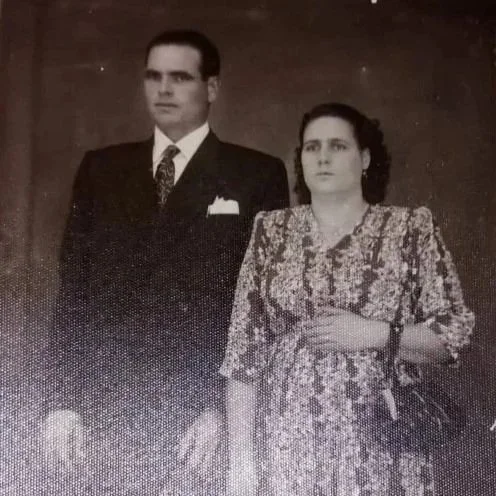
My Portuguese grandparents, Augusto and Victoria. Source: personal collection
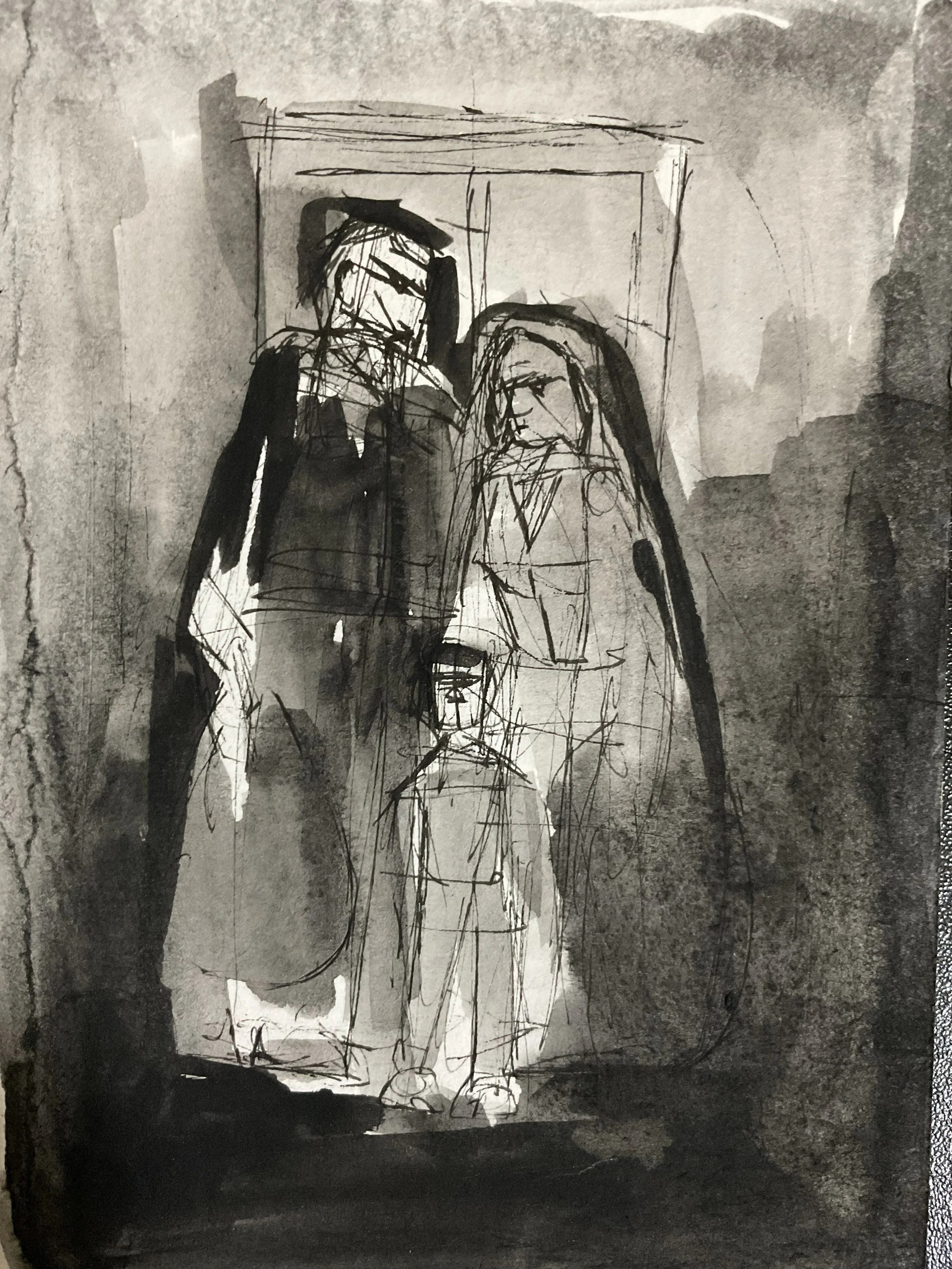
Composition sketch for "Heroes of the Past", ink and watercolor on paper, 2026
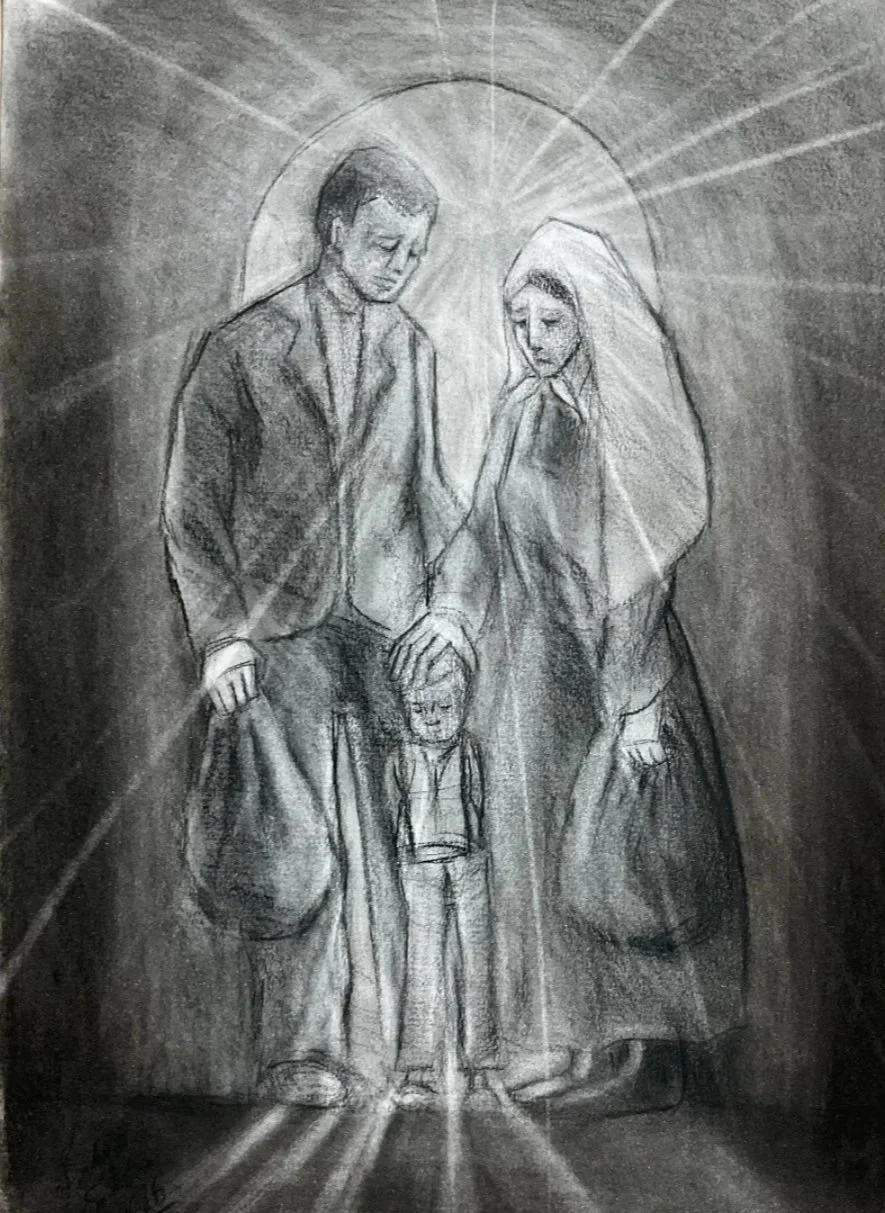
"Heroes of the Past", charcoal pencil on paper, 2026. The artwork depicts a man and a woman, both dressed in typical Portuguese attire, newly arrived in Brazil. They are inspired by my grandparents, Augusto and Victória. The expression on their faces reflects the weariness of the journey and the worry about adapting to a new country. However, the mother places her hand on the child's head as a form of comfort. The small child represents hope for a better life. This same hope is also represented by an open door between the couple, illuminated by the sunlight that penetrates the dark, lifeless room.
Póvoa de Lanhoso (Braga - Portugal), the birthplace of my grandmother Victoria. In her childhood, my grandmother tended flocks of sheep, worked the land, and made her own woollen coats for the harsh winter.
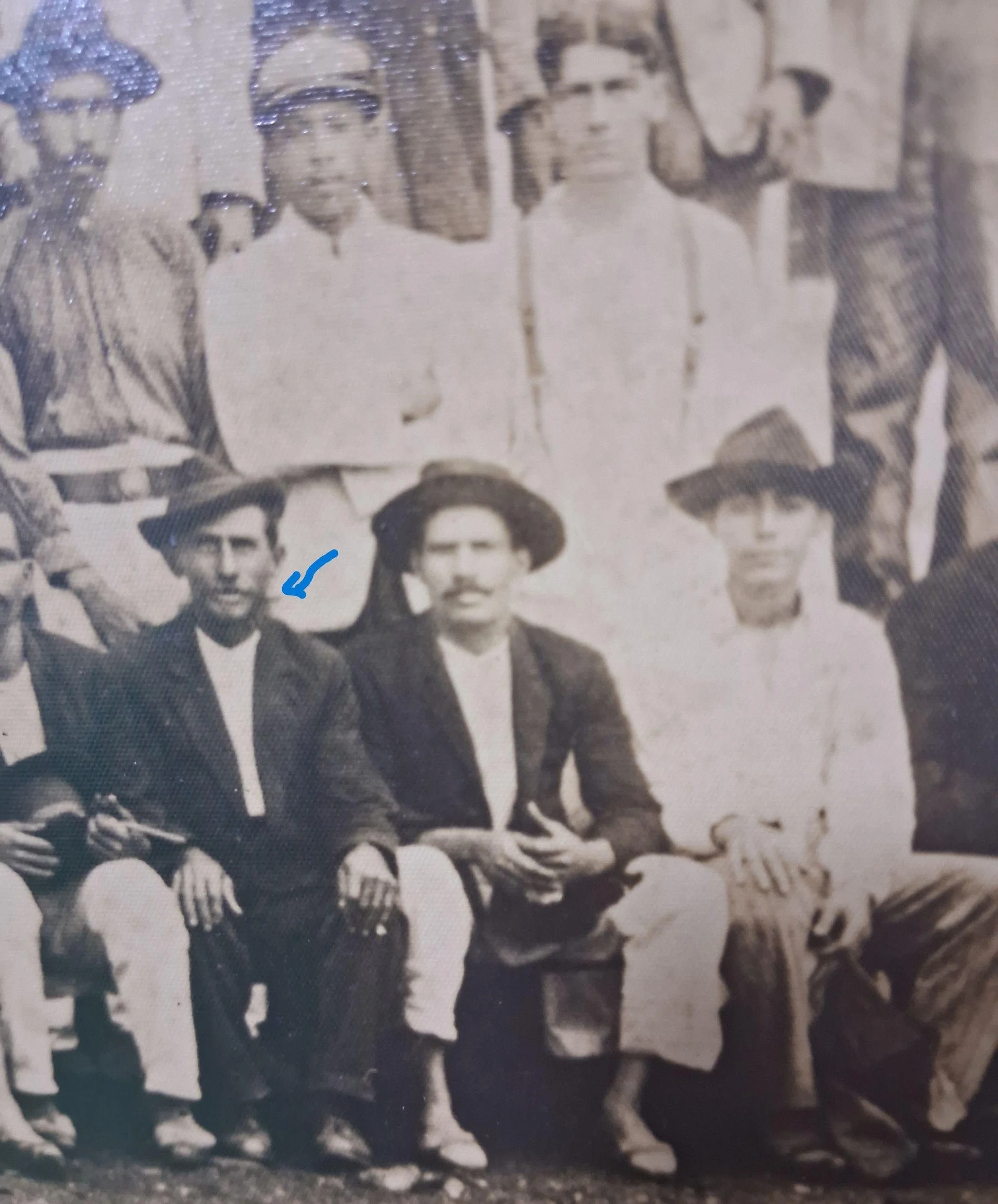
Another "hero of the past" - my Calabrian great-great-grandfather, Felipe Santoro, recently arrived on an Italian ship at Ilha das Flores (Flowers Island). Ilha das Flores was an important reception area for European immigrants in Rio de Janeiro. Travellers were required to quarantine themselves to prevent the spread of diseases from Europe.
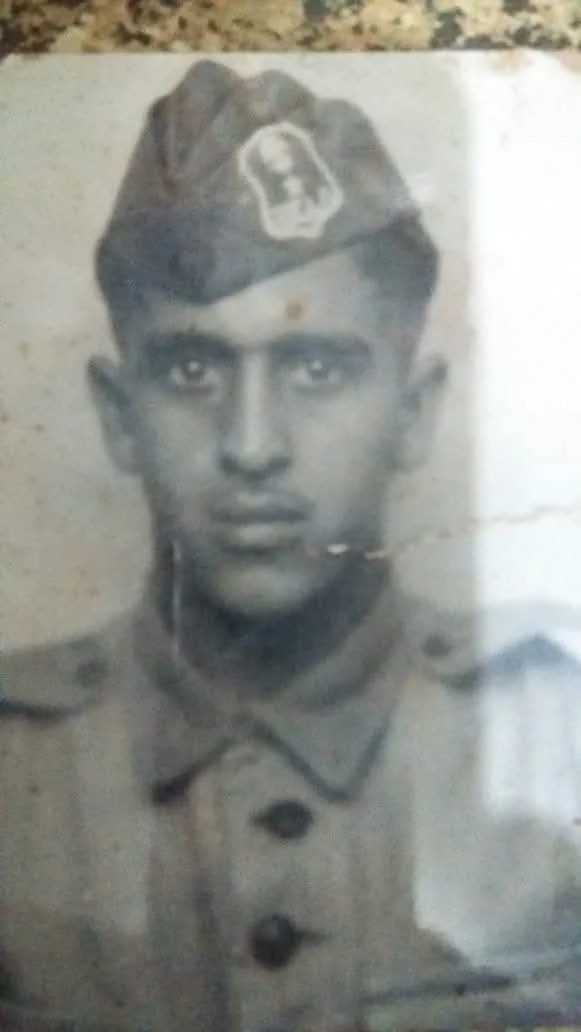
My grandfather Sérgio in his youth, when he served in the Brazilian Army at the Anti-Aircraft Defence School. The composition "Life Flowing from the Water" reflects my grandfather's indigenous heritage. Source: Personal collection
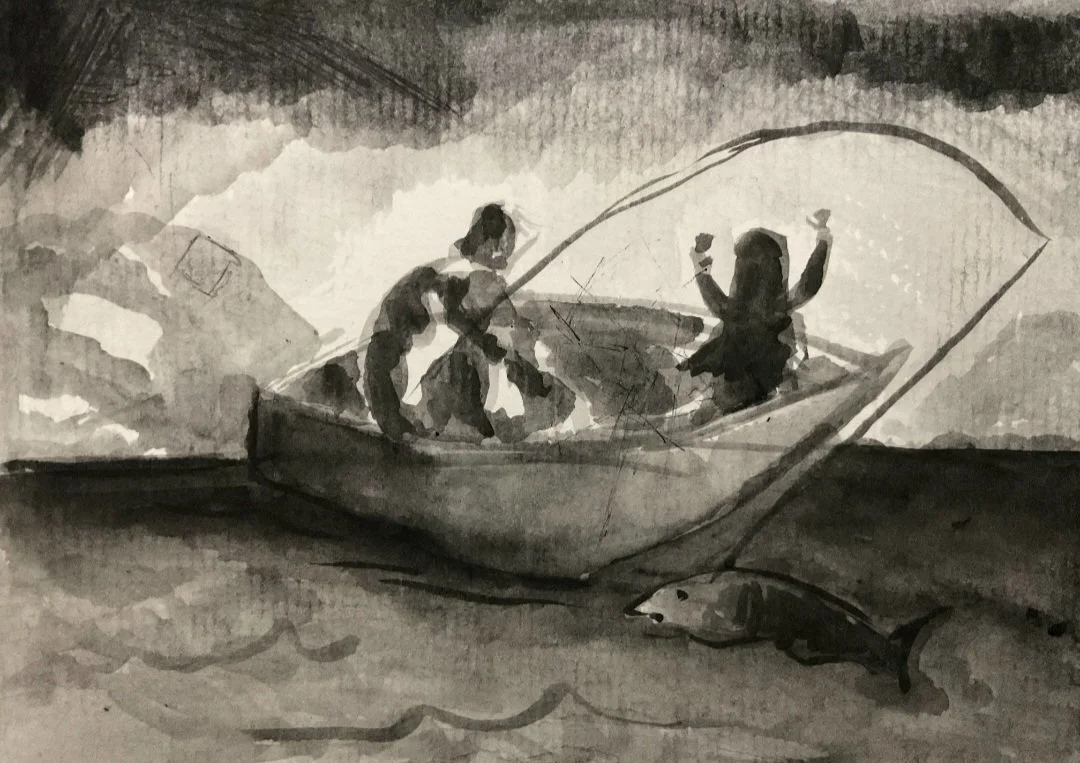
Brazilian culture is heavily influenced by Amerindians and Afro-descendants, ethnicities that have nurtured their cultures through oral tradition. My grandfather Sérgio was a close descendant of indigenous people from Northeast Brazil. His main activity for much of his life was sea fishing. The activity of Brazilian fishermen is well known for being accompanied by strong popular religiosity (religious syncretism), a result of miscegenation, as well as by the telling of stories of mystery and spirituality. Therefore, as a way to honour him, I wanted to create a composition called "Life Flowing from the Waters." The composition represents an elderly man and a child fishing in a small boat, something we did together when I was a child, when he told me his fisherman's stories. Nevertheless, fishing is still a very present form of subsistence for the population of the coastal region of Brazil, mainly due to indigenous heritage. Ink and watercolor on paper, 2026.